Have you ever found yourself trying to guess the next outcome in a game of chance, knowing full well it’s random? Whether it’s spinning a wheel on MrQ or predicting the next card in a deck, the prediction habit is a fascinating behavior that defies pure logic. After all, we understand that many modern games rely on random number generators (RNG), which ensure outcomes are unpredictable and fair. So why do we persist in making predictions? The answer lies in a complex mix of psychological factors, emotional responses, and how our brains handle uncertainty and expectations.
Anticipation and Uncertainty: The Emotional Thrill
Research published in outlets such as the Harvard Business Review highlights how uncertainty can actually be a powerful driver of engagement. Uncertainty isn’t just about not knowing; it creates a sense of anticipation that stimulates the brain. This is why even very simple games, like those offered on online casino platforms, can keep players hooked.
Think about it this way: when you make a prediction, you create an expectation. This expectation injects meaning into the moment you wait for the result. Even though you understand the mechanics—such as the RNG algorithms used by platforms like MrQ—your brain still craves that burst of dopamine from the suspense and resolution.
Simple Mechanics Are Especially Addictive
Games with simple, easy-to-understand rules maximize player engagement despite involving chance. For example, many NetEnt slot games use straightforward spins with clear symbols and outcomes. This simplicity allows players to focus fully on the anticipation and immediate emotional payoff without getting bogged down by complex strategy. The hands-on anticipation fuels the prediction habit because it feels like a mini psychological gamble each time, even if the odds are never in their control.
The Role of Emotion in Risk Decisions
Humans often assume their decision-making is rational, but when it comes to gambling or any uncertain outcomes, emotions strongly influence choices. According to numerous studies cited by behavioral economists and psychological experts, risk decisions are rarely made on pure logic or probability assessment.
Imagine you are playing a lottery-style game on an online casino platform and https://grammarmean.com/understanding-risk-why-chance-based-games-continue-to-fascinate-players/ have been unlucky for several rounds. Your emotional state—perhaps frustration or hope—colors how you interpret your chances next time. These feelings can spur more frequent predictions as a way of coping with uncertainty, fueling hope that "this time will be different."
Emotional Drivers Behind Predictions
- Hope: The belief that a win might be imminent compels players to keep guessing. Frustration: Trying to break a streak of losses by predicting "better luck this time." Excitement: The adrenaline rush that comes when risking something, even if small.
These emotions aren’t just nuisances; they shape the prediction habit by making the process emotionally rewarding beyond the outcome.

Cognitive Biases and the Illusion of Control
Our brains love patterns, sometimes too much. Cognitive biases can distort how we perceive probabilities and chance events, leading us to believe we have more control than we actually do. This is known as the illusion of control, where players think their predictions can influence the results, despite games relying on RNGs designed to prevent precisely this.
Some common biases include:
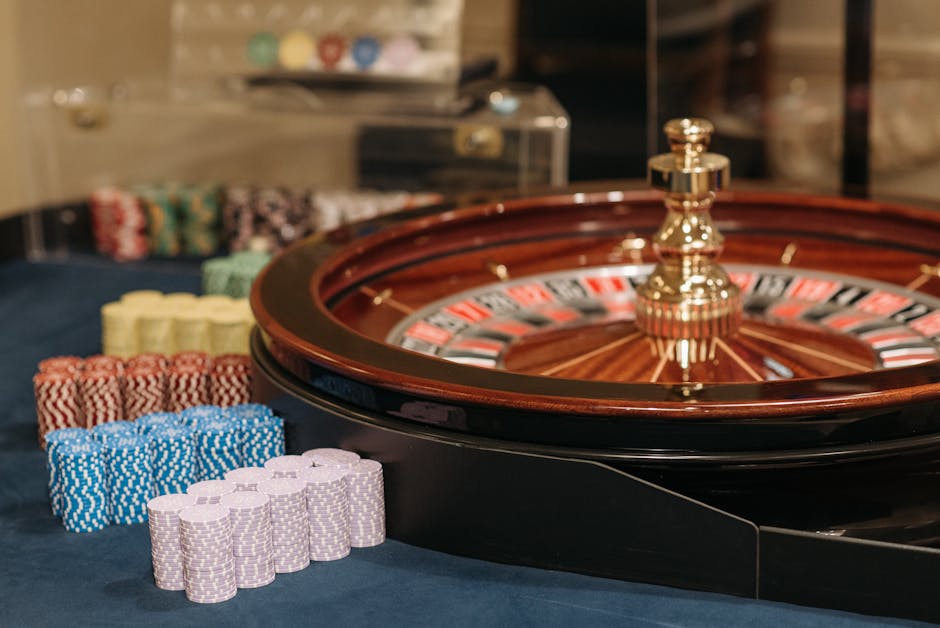
Gambler’s Fallacy: Belief that past outcomes affect future ones (e.g., "red has appeared five times; black is due now"). Confirmation Bias: Noticing and remembering hits that confirm expectations, while ignoring misses. Hot Hand Fallacy: Assuming a winning streak will continue endlessly.These cognitive distortions help explain why people keep making predictions even when they intellectually understand the role of chance. They shape expectations in a way that feels meaningful, which keeps the cycle going.
Case in Point: Online Casino Platforms and RNGs
The backbone of fairness in online gambling is the random number generator. RNGs use complex algorithms to produce outcomes that are statistically independent and unpredictable. For instance, NetEnt, a leading developer mentioned in related posts, rigorously tests its RNGs for compliance and randomness to ensure fair play.
Despite players knowing that RNGs decide the next card, spin, or number, the prediction habit persists: people still attempt to guess the next result. This behavior is supported by the platform design—simple interfaces, rapid results, and continuous feedback loops—that keep uncertainty alive and expectations high.
The Takeaway: Why Predicting Feels So Natural
In summary, people make predictions in games of chance not because they misunderstand randomness, but because:
- Uncertainty creates emotional anticipation that enhances engagement. Simple mechanics allow players to focus on waiting and guessing instead of complex strategy. Risk decisions are driven by emotion, not just logic. Cognitive biases distort probability perception, reinforcing the illusion of control.
Understanding this interplay can help players enjoy games like those offered by MrQ or built by NetEnt responsibly, appreciating the unpredictability while embracing the thrill of anticipation.
If you want to learn more about the psychology behind gaming and chance, the Harvard Business Review provides insightful, research-backed articles that dig deeper into human behavior and decision-making.
```